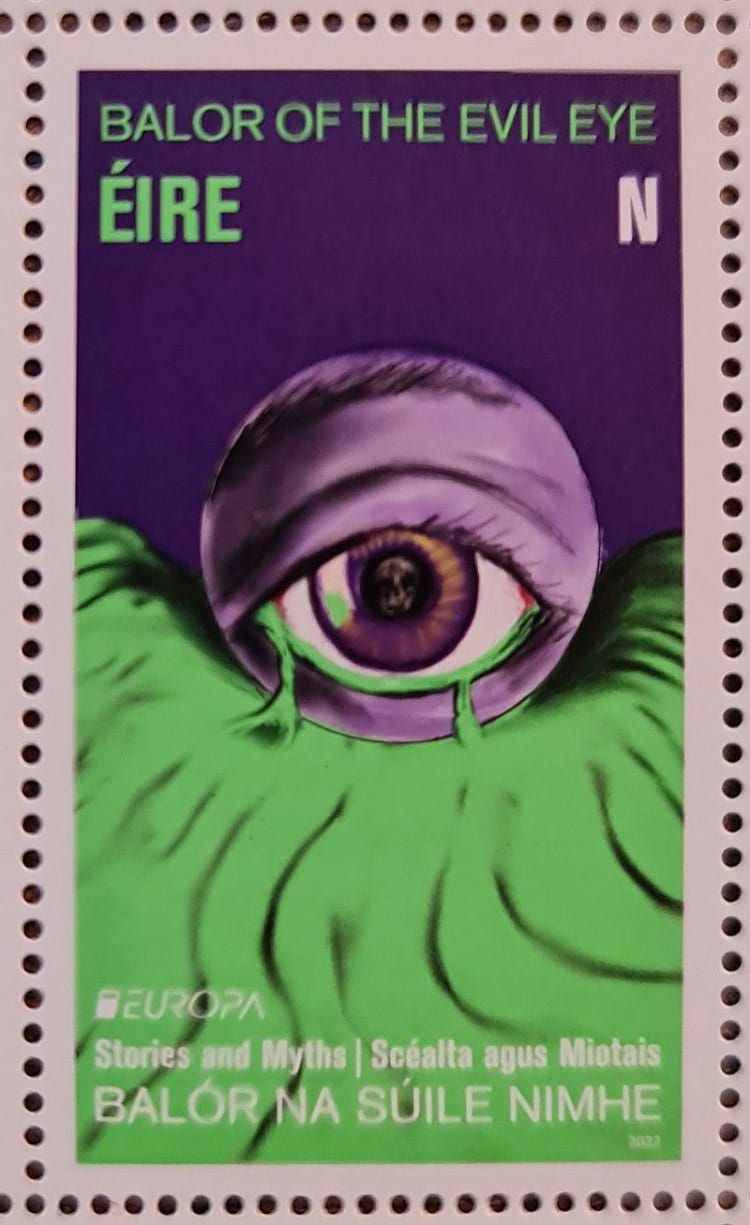
Eye-Bitten
How to lose friends and kill people just by looking at them

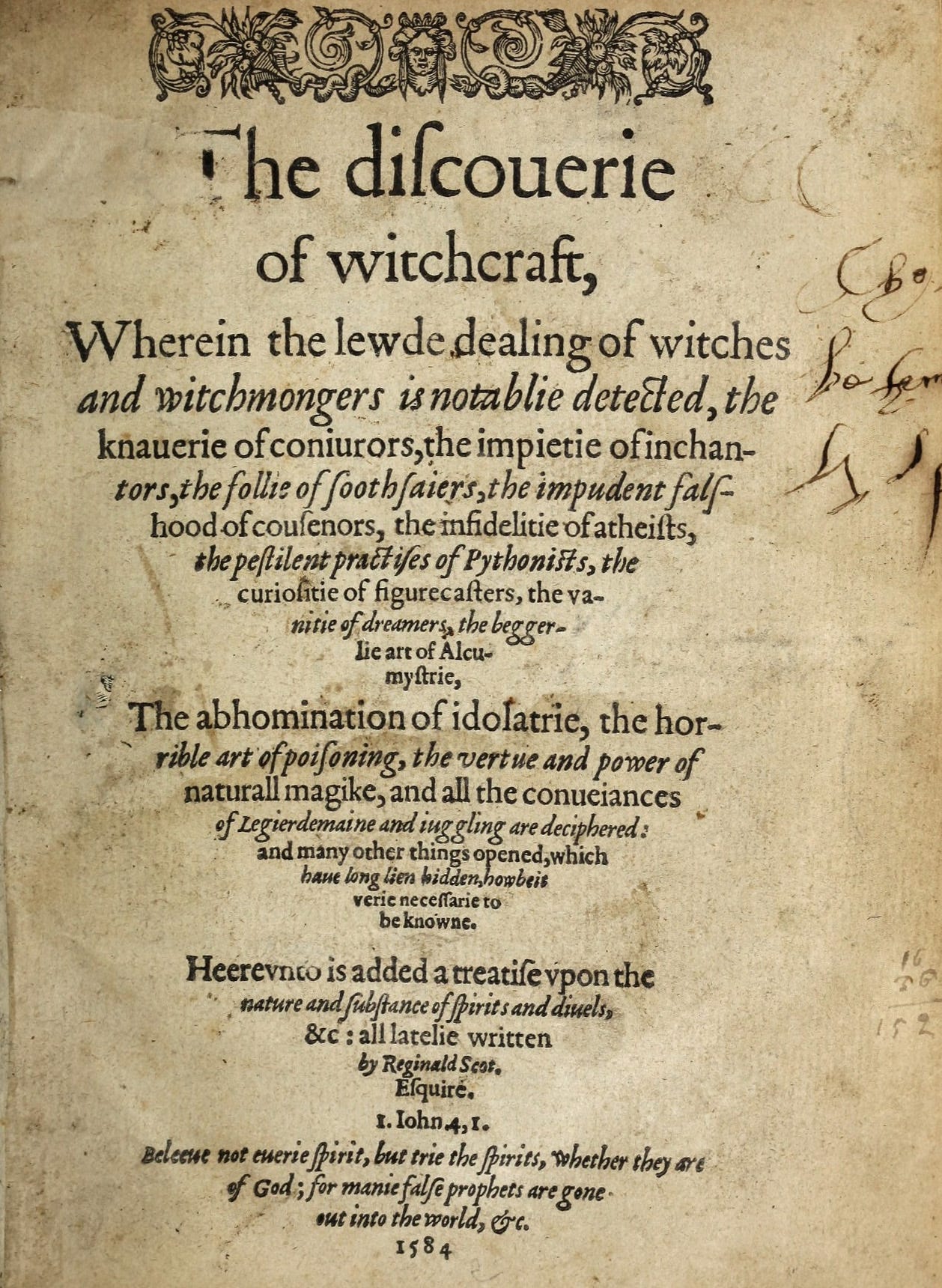
In 1584 the English sceptic Reginald Scot tucked a curious aside into his enormous Discoverie of Witchcraft. Across the Irish Sea, he reported, the supernatural ran on a different system.
The Irishmen addict themselves wonderfully to the credit and practise hereof; insomuch as they affirm, that not only their children, but their cattle, are (as they call it) eye-bitten, when they fall suddenly sick, and term one sort of their Witches eye-biters.1
Eye-biters. The word lands oddly in our modern ears, half-comic and also a bit disturbing. Scot, who was busy dismantling the witch-hunting mania of his neighbours, found the Irish category puzzling because it sat at an awkward angle to the demonological terror currently to be found everywhere else in Europe. To be eye-bitten wasn’t to be cursed by a Devil-bound witch in pursuit of malice. No, it was to have just caught the wrong glance. The harm could be unwilled, even unwitnessed. The looker may not even have known what they’d done.
This is the story of a magic that most people never meant to cast: the súil mhillteach (destructive eye), drochrosc (the evil gaze), drochshúil (the evil look): three Irish terms for what English speakers called the evil eye. It is, of course, an ancient belief that a glance can hurt and is found in many cultures. In Ireland it was often believed to have been inadvertently acquired or inherited rather than chosen and more often suffered rather than intended (although that could sometimes be the case).2 The assumption here that supernatural harm could be accidental, more meteorology than malevolence, would shape the religious history of the island in ways its neighbours found incomprehensible. While Scotland and England killed their accused witches, Ireland’s recorded trials can be counted on two hands.3 The evil eye belief is part of why.
Balor’s Eye and the Inheritance of Poison
The most famous evil eye in Irish literature belongs to Balor, the Fomorian king who falls to Lug at the second battle of Moytura. The Cath Maige Tuired (Battle of Moytura) describes it as a weapon in unforgettable terms. Balor’s eye
was never opened except on a battlefield. Four men would raise the lid of the eye by a polished ring in its lid. The host which looked at that eye, even if they were many thousands in number, would offer no resistance to warriors.
The hero Lugh’s eventually slingstone drives the eye through the back of Balor’s skull.4 Balor was, in fact, his grandfather. The motif is biblical (David and Goliath) and the structure of the duel is a standard warrior set-piece, but the detail that interests me is older and stranger.